This website uses cookies and similar technologies to understand visitor experiences. By using this website, you consent to cookie usage in accordance with our Privacy Policy.
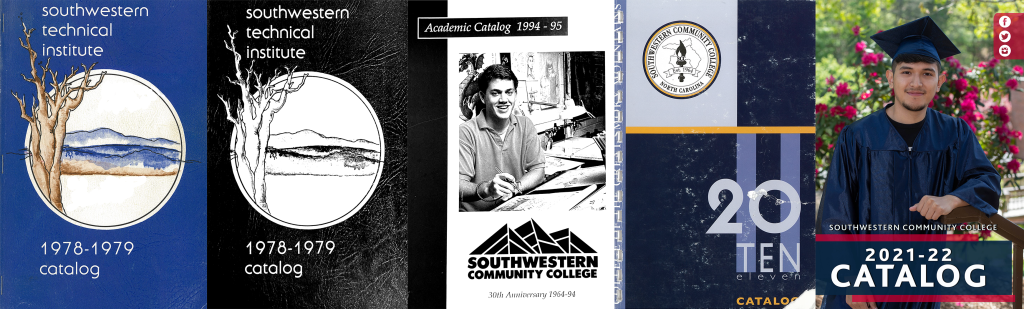
As their website notes, the impact of Southwestern CC is widespread in the southwestern mountain communities of North Carolina. Based in Sylva, the college has a wide alumni base, especially in Jackson, Macon, and Swain counties. It is the second-most western community college in North Carolina (after Tri-County Community College in Murphy), and it is the only community college with a scientific partnership with NASA.
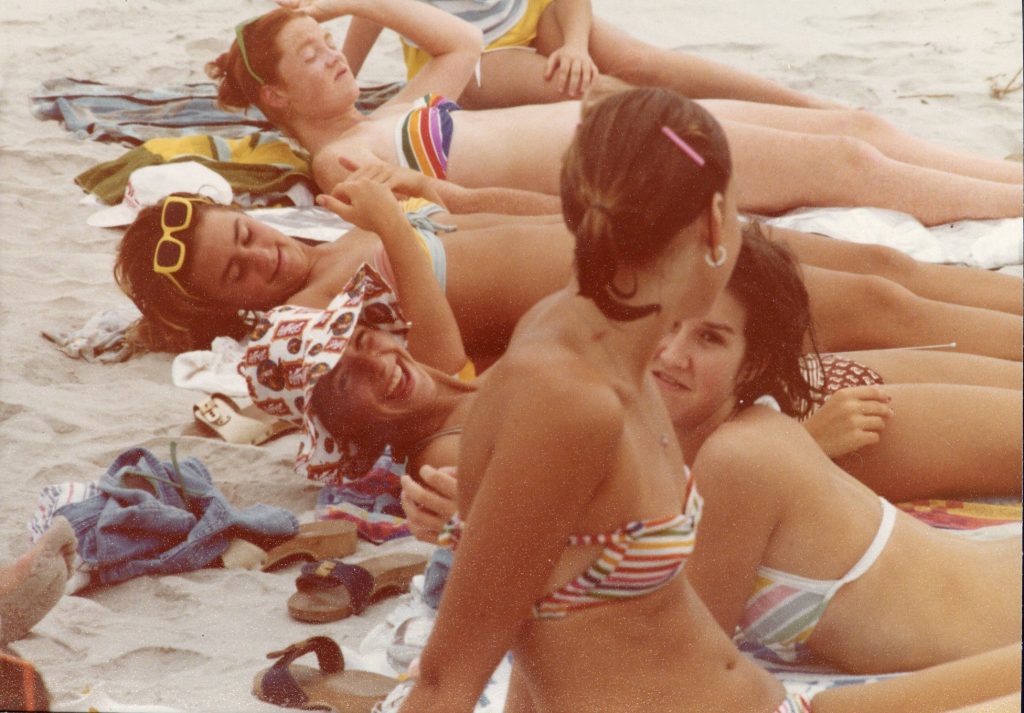
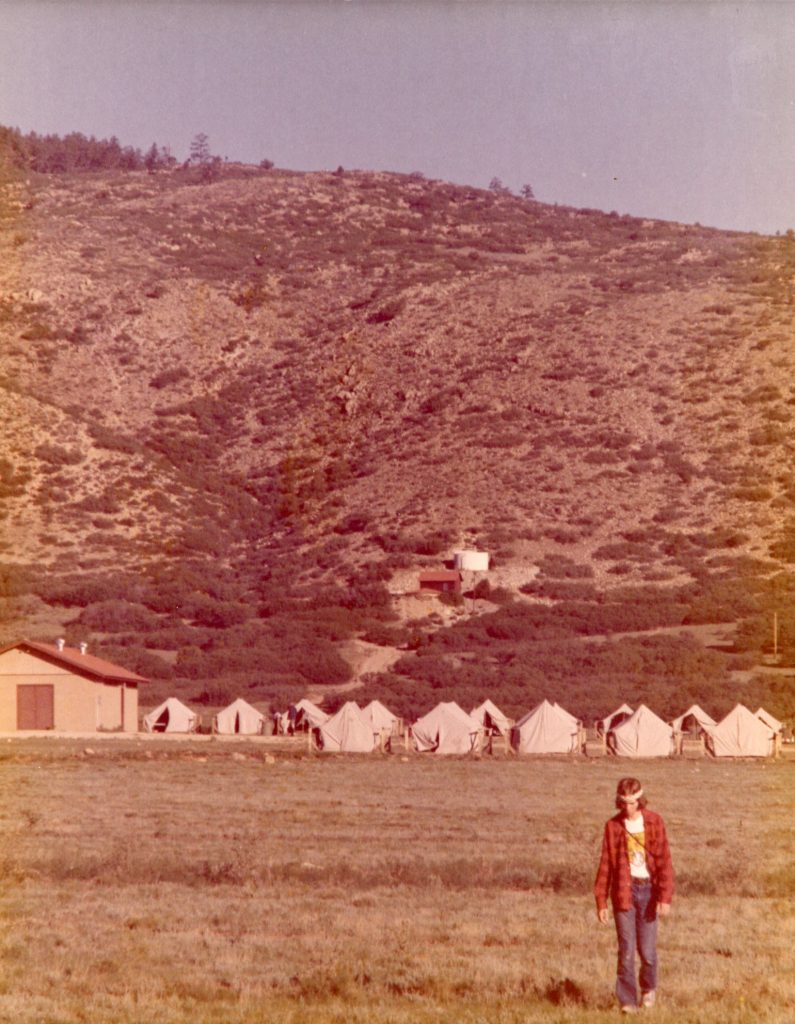
More materials from Boy Scout Troop 835 and Girl Scout Troop 59 from Chapel Hill, N.C., are now available on our site thanks to the Chapel Hill Historical Society. This batch primarily includes photographs of the two troops’ trips during the 1970s.
One of the most iconic destinations is, of course, Philmont, which many former scouts would probably recognize. Located in New Mexico, the ranch has long been a testing ground for wilderness survival skills and troop bonding. Based on the camp’s photo archive, it doesn’t look like a whole lot has changed since these troops visited.
Tuscola High School’s mascot, the Mountaineers (colloquially referred to as “The Mounties”) is appropriate for this campus, which is nestled in the North Carolina mountains (as you can see in the photo to the left). According to the school’s website, the school is “affectionately referred to as ‘The Hill’ due to our commanding view of the Smoky and Balsam Mountain ranges.”
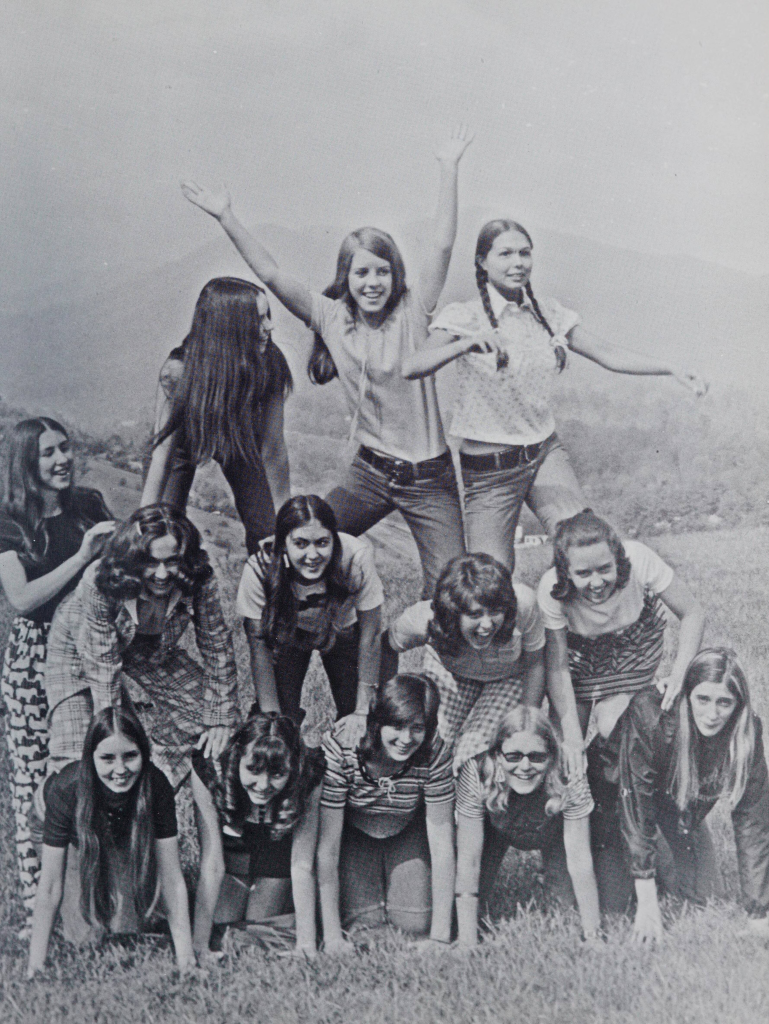
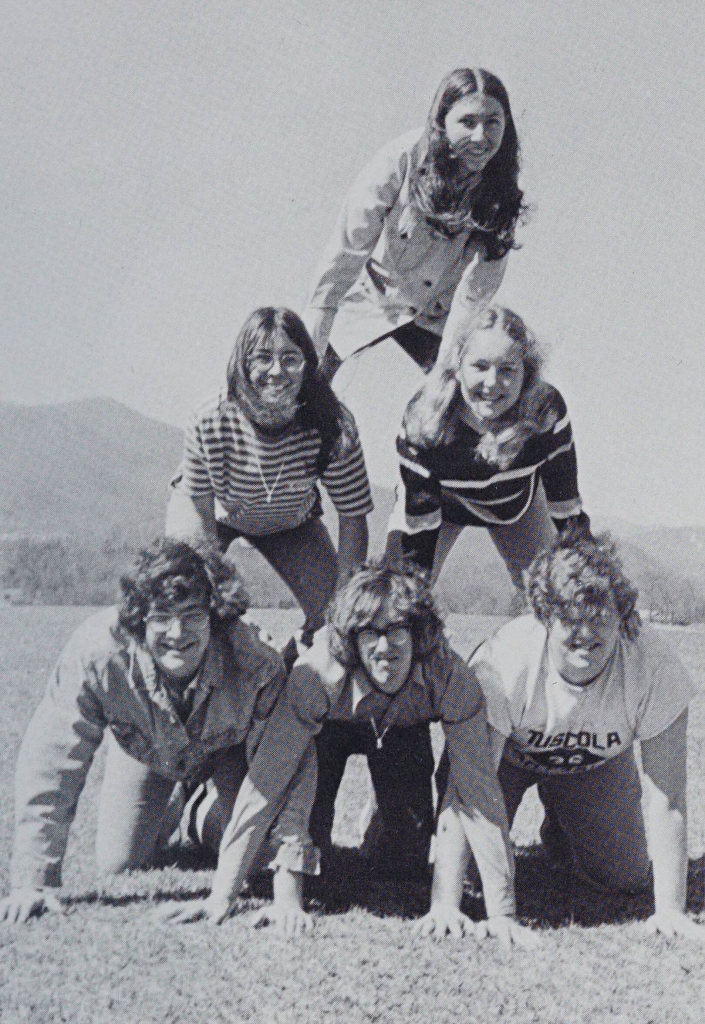
In addition to the sweeping mountain views, a common sight in the 1973 edition of The Mountaineer is students arranging themselves into the shape of mountains. Apparently, this was the hottest formation for taking your club photo—especially if you got to be on the top.
The 1973 chorus officers
Who can say why so many students felt the need to literally climb on top of each other this year? Maybe they were trying to camouflage in their mountainous surroundings. Perhaps it is a social commentary on relationships or teamwork. Though we may never know for sure, there are plenty of examples in this yearbook for the intrepid researcher.
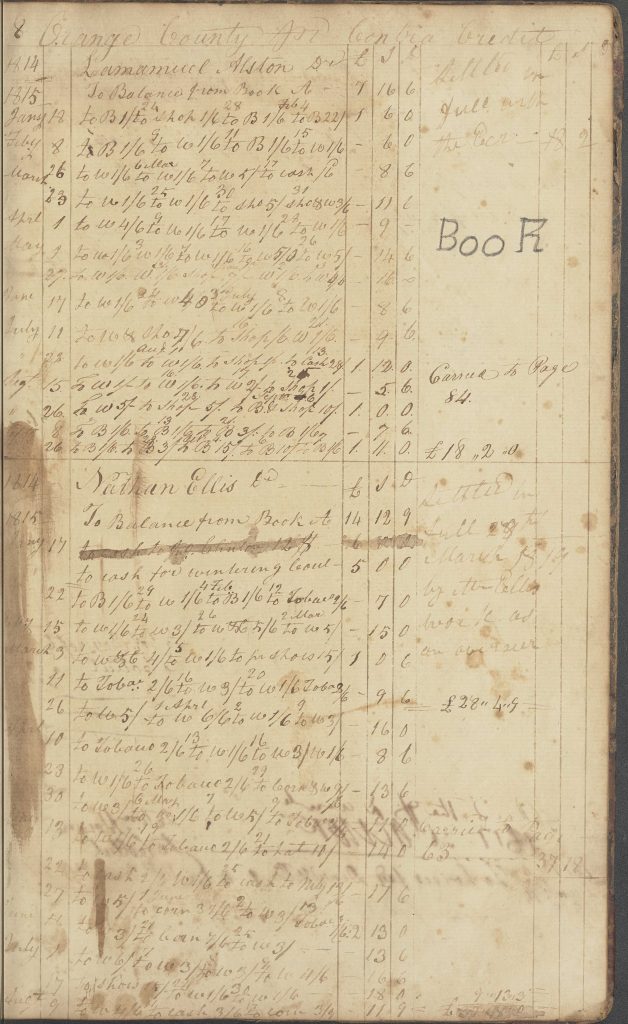
The Latta Family Account Ledger [1812-1821] details the accounts of residents in and around Orange County at the time and includes many well known early Durham families such as the Lattas, Rigsbees, Mangums, Holloways, and Leighs.
This batch of materials is openly available for research and covers a range of topics. Genealogists looking for family histories can benefit as well as folks interested in education, entrepreneurism or religion. To learn more about the area please visit the Durham County Library website.
A set of distinctive scrapbooks from Chowan University (née Chowan College) in Murfreesboro has just been added to our site. These scrapbooks span a long range of the school’s history beginning in the 1920s and then jump ahead to the 1980s.
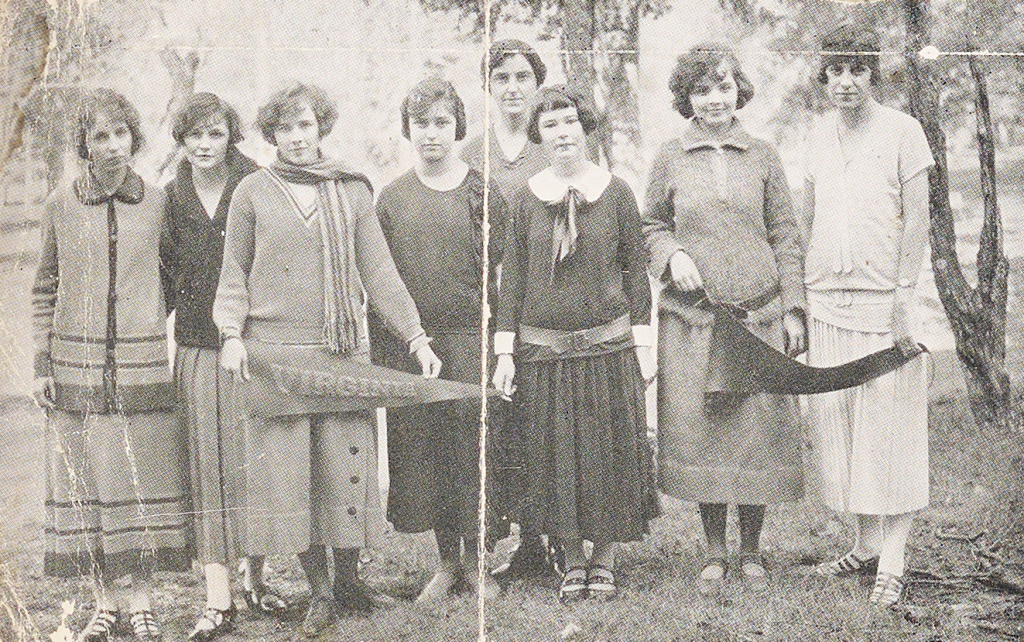
A photo from Chowan College Scrapbook [1924-25]
The oldest scrapbook of the collection shows a bit of Chowan’s origin story as a women’s college. Though it’s not a formal yearbook, someone took the time to write in the names of students, their home towns, nicknames, birthdays, ambitions, and happy memories of them. They even pasted a little picture next to some of their entries. For instance, Jewel Askew was from Lewiston, N.C., her friends called her “Juke,” her birthday was December 5 (she was a Sagittarius), and her ambition was to have a “rose garden” (unclear why that’s in quotes or what the hidden meaning there might be). She must have had some good times with the scrapbook’s owner, since one of them wrote beside her entry, “Dear pal, don’t forget the ireeb-eus [?] of Feb. 14-16, 1925.”
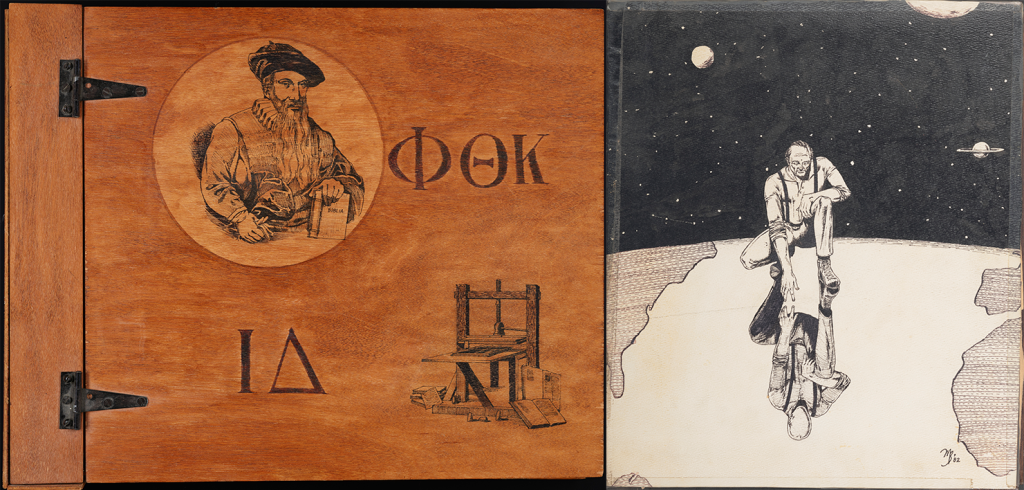
Covers of the 1982-23 (left) and 1981-82 (right) Phi Theta Kappa scrapbooks
The more recent scrapbooks are somewhat more legible, and it’s clear that the Iota Delta Chapter of Phi Theta Kappa had a dedicated artist on their side. The 1982-1983 scrapbook, which was encased in wood covers (approx. 2′-3′), had an etching of Johannes Gutenberg, inventor of the printing press.
In this batch we have hundreds of issues of The Wake Weekly and Youngsville-Rolesville Record spanning from 1963 to 1967, a period of time when pop culture was rapidly changing throughout the world.
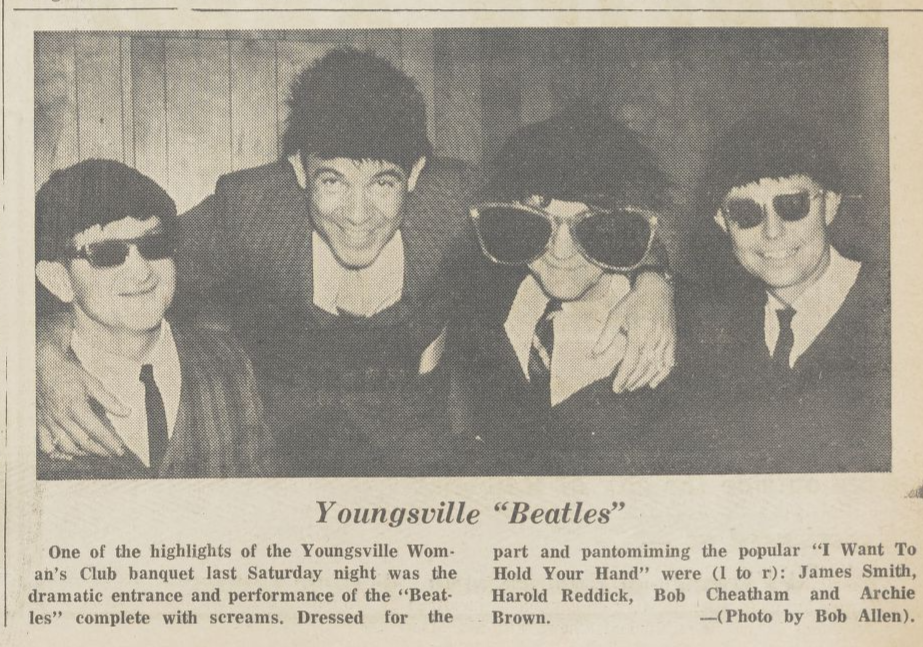
When The Beatles made their first American television appearance in February of 1964, it seemed like millions of teens immediately ran out and bought their first guitars. Despite only having a population of around 3,000 at the time, it would appear Wake Forest was no different in that regard.
Youngsville “Beatles” May 29, 1964
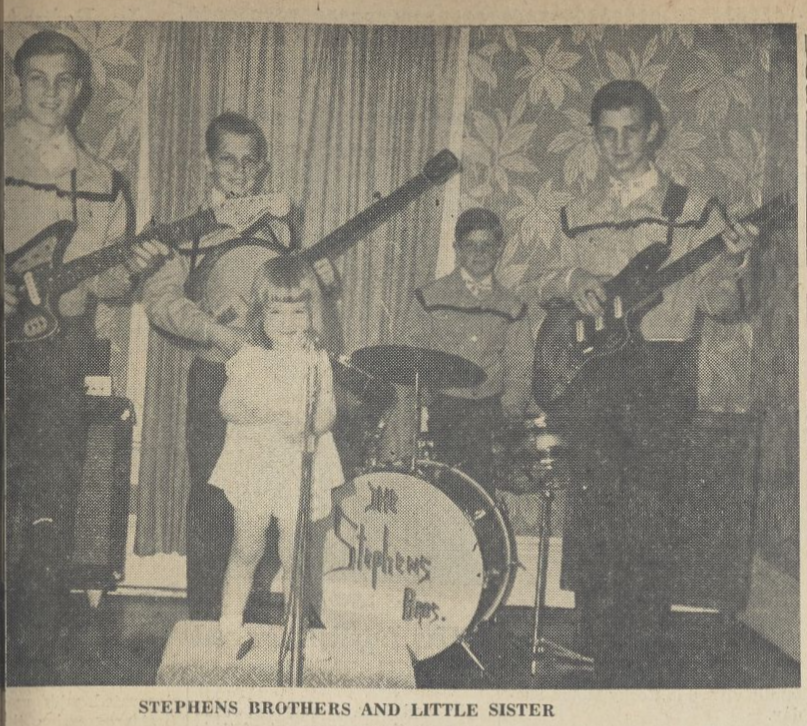
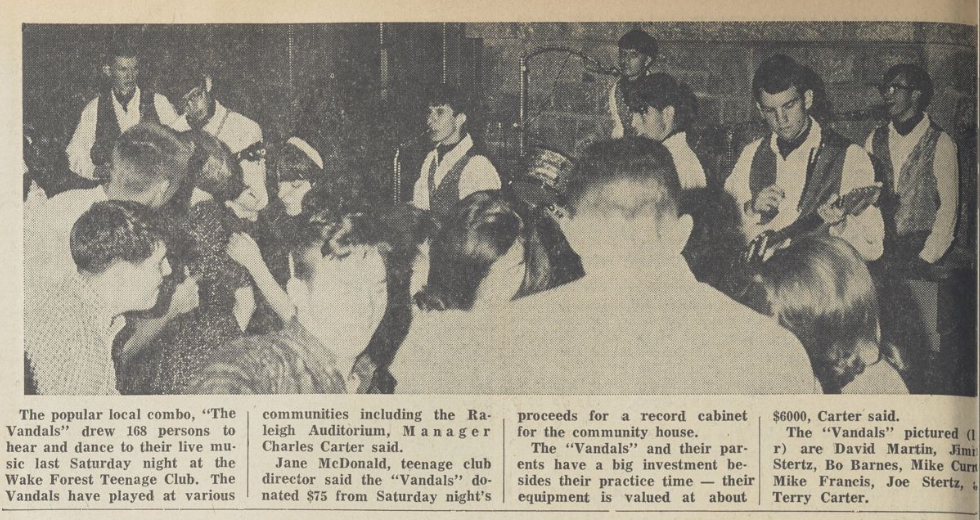
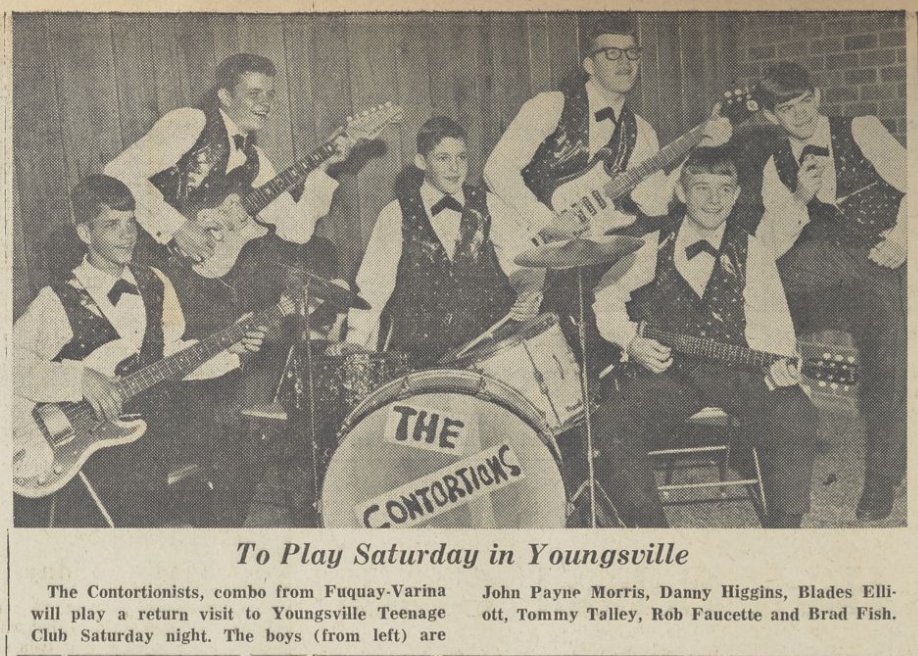
As rock ‘n roll sank its teeth into American teen culture, new groups began to pop up left and right like local crowd pleasers The Vandals, the young and talented Stephens Brothers (and Little Sister), and even Fuquay-Varina’s very own Contortions came to visit. There doesn’t seem to be any evidence of these musicians making recordings during this time period, but another Wake Forest teen did wind up making it to tape.
The Stephens Brothers and Little Sister September 22, 1966
The Vandals August 17, 1967
The Contortions May 19, 1966
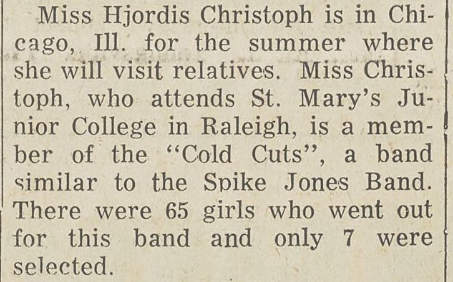
Hjordis Christoph was attending St. Mary’s Junior College in the mid-60s and joined “…One of St. Mary’s Leading Symphonic Washtub Bands” The Cold Cuts. She is credited as playing “Hot Dog” on their 1966 LP released by the beloved JCP record label out of Raleigh. Other instruments listed on this record include sticks, crazy stick, bird cage, sponges, and rulers.
June 9, 1966
Cold Cuts LP via Popsike
These papers were provided to us by our partners at the Wake Forest Historical Museum. For information about events and planning a visit you can visit their site here.
From Blowing Rock High School, we’ve added four volumes of The Breezes from 1953 to 1956. From Cove Creek High School (in Sugar Grove), we’ve added three volumes of The Coveteer from 1952-1956. From Boone, we’ve also got 18 more editions of The Laurel from Appalachian High School (1947-1965) and seven more editions of The Musket from Watauga High School (1966-1972).
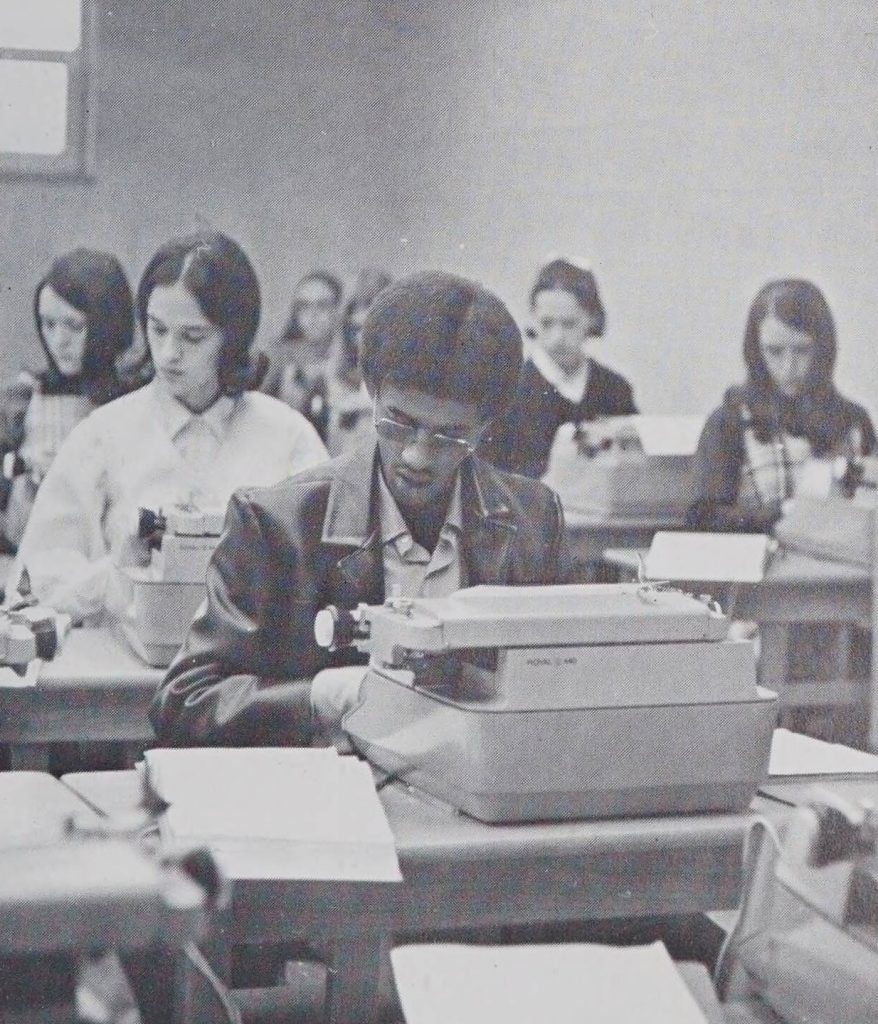
Even though these yearbooks might make it seem like high school was just yesterday, there have been at least a few changes to the curriculum since the 1960s and ’70s. For instance, the Business Department at Watauga High School was much more typewriter-centric than business programs today. Some of the classes taught in 1970 included Typing (I and II), Shorthand, Bookkeeping, General Business, and Business English. Perhaps the focus on problem-solving skills has remained the same, though—the caption for the photo above reads, “Tony Hagler, and member of one of the typing classes, seems deeply involved with the completion of his problems.”
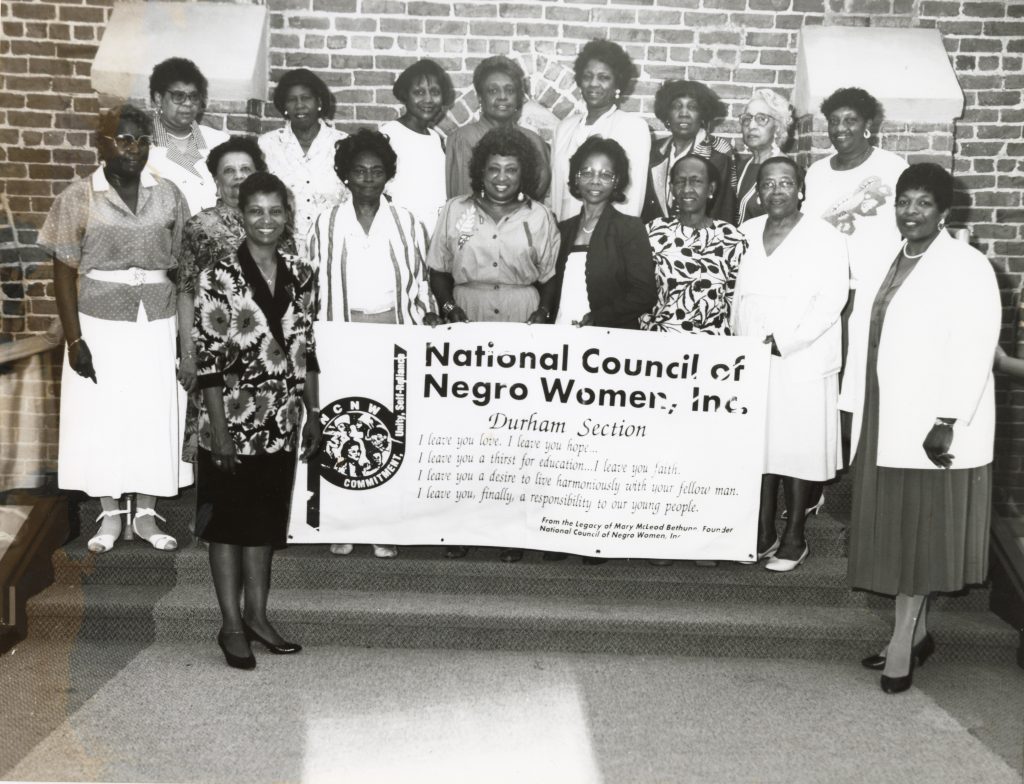
The Durham Section of the National Council of Negro Women, Inc. was chartered on December 1, 1965. Since that time, they have been leading, developing, and advocating for African American women, their families, and communities through collaborative efforts of advocacy, volunteerism, service, and leadership. Programs highlighted in this batch include the annual Bethune Recognition Luncheon, Harambee Breakfast, and Mother’s Day program.
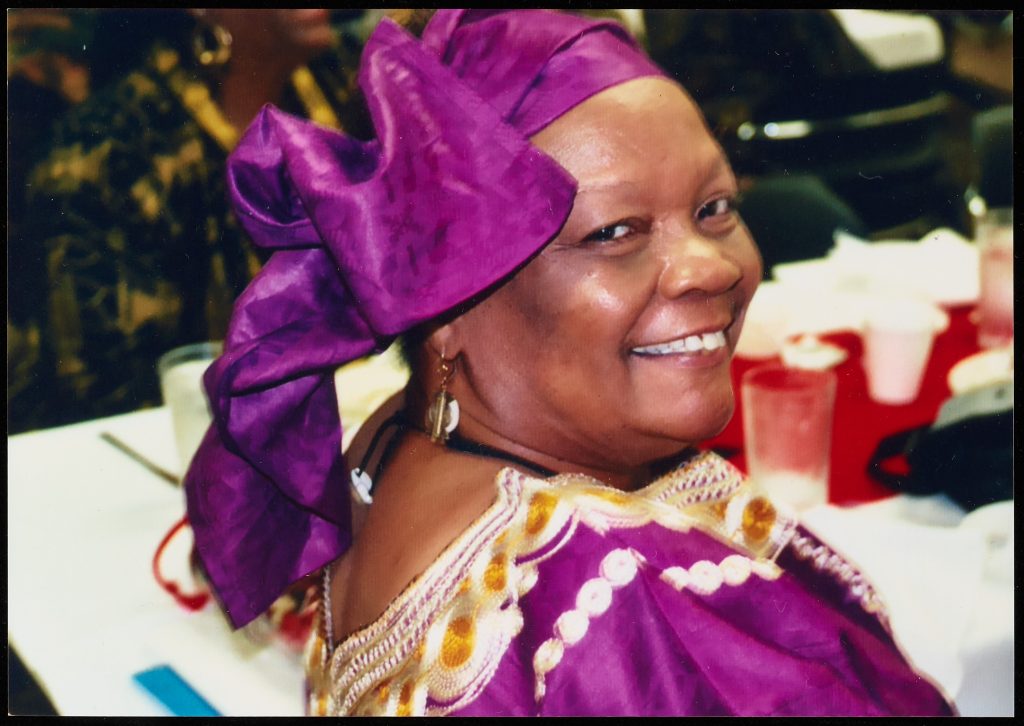
“Harambee,” a Swahili term that originated in Kenya, means a community pulling and working together. But it also signifies determination, togetherness, love, and importance of knowing yourself according to member Dr. Louise J. Gooche. Although the breakfast program was created by Dr. Dorothy Irene Height earlier, it was not until 1994 that Louise Weeks introduced the Harambee Breakfast concept to the Durham Section. To this day, members of the Durham Section along with affiliated members gather together in beautiful African attire to enjoy food, hear stories, and recognize their members.
To learn more about the Durham Section of the National Council of Negro Women, Inc., please visit their contributor page or website.
To view more materials from the Durham Section of the National Council of Negro Women, Inc. please click here.
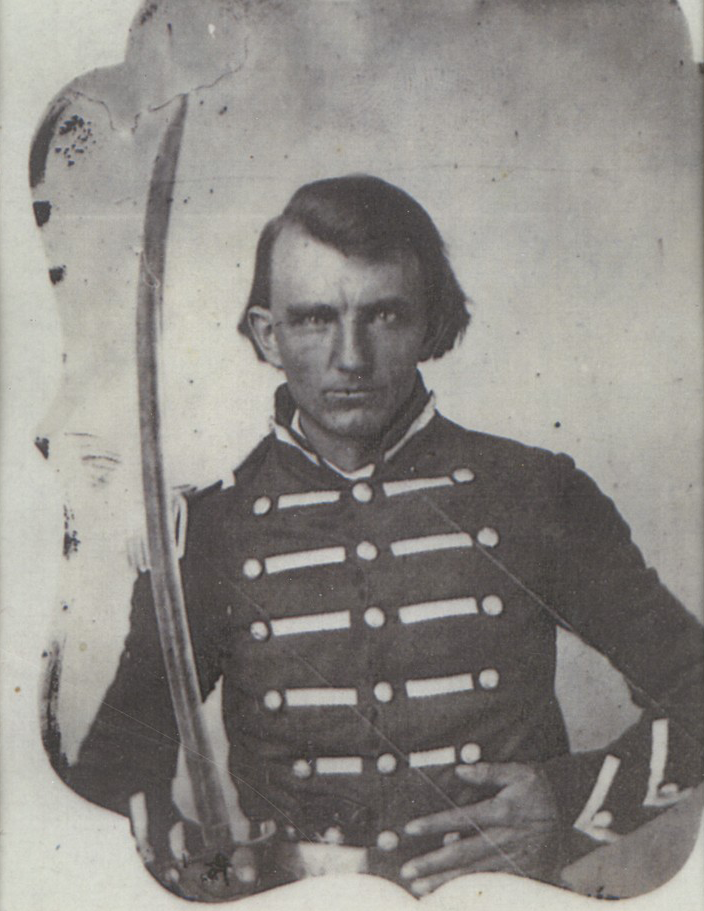
Wilson C. Daniel, c. 1863, who served in the 42nd Regiment (like Tom Dula).
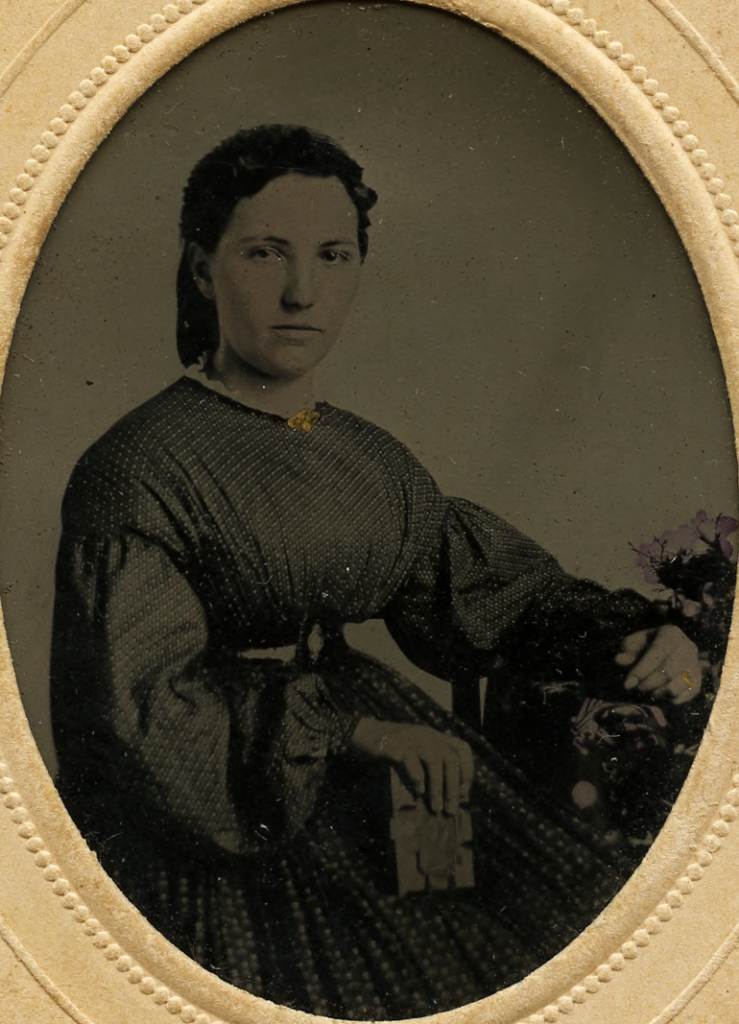
Margaret Ann Wesson Tesh, 1868. An example of what white women might have looked like in the Reconstruction era.
We’ve got another batch of audio materials available thanks to our partner, Wilkes Community College. This set of 16 interviews and oral histories was originally recorded on reel-to-reel tapes, and they span from 1959 to 1979.
One of the recordings in this batch is a retelling of the legend of Tom Dula, popularized in 1959 by The Kingston Trio in their version of the folk song “Tom Dooley.” The general outline of the story is that Dula, upon returning home to Wilkes county after serving in the army of the Confederacy, had a relationship with at least two women, Laura (or Laurie) Foster and Ann Melton. It is suspected that this relationship triangle went bad and that Dula murdered Foster. He then attempted to flee into Tennessee. However, he was arrested and returned to North Carolina, where he was found guilty both by a jury in Iredell county and later by the North Carolina Supreme Court. He was sentenced to death in Statesville and hanged on May 1, 1868, which became the basis for the song.
The version of the story told in this recording (perhaps by Tom Ferguson, though the tape is unclear), also made in 1959, leans more into pastoral genre than other popular accounts. The speaker devotes a great deal of time to describing the home of Dula and his mother, which he says many in the area remember. He describes a lean-to on the side of the house (which he guesses was built around 1850) where Tom Dula stayed. He also describes the house as sitting among “a profusion of honeysuckle and roses.”
However, this account deserves a little bit of scrutiny, since it tends to romanticize and draw from the speaker’s imagination. The storyteller describes Dula as a musician who carried a violin around his neck and who only participated in the Civil War insofar as to entertain his fellow soldiers, though we know he was a member of the 42nd Regiment of the North Carolina Infantry. He also asserts that Dula was handsome and popular with the ladies, which, of course, makes it impossible that he was a “scoundrel” (Ferguson is not a Jane Austen fan, I take it).
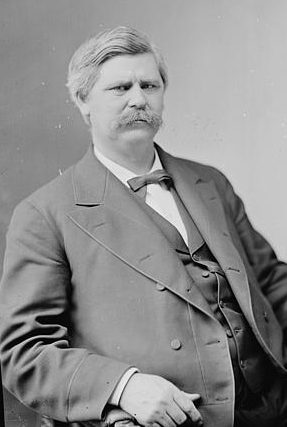
Zebulon B. Vance c. 1875 (courtesy of the Library of Congress).
In addition to asserting Dula’s innocence, this version of the story describes Foster as an “innocent” girl with a talent for weaving, though author John Foster West asserts that Dula, Foster, and Melton were all infected with syphilis. Sadly, little is recorded about either Foster or Melton, and—perhaps tragically—Foster’s portrait now hangs beside Dula’s in the Tom Dooley Museum.
One final surprising detail about this story is that Dula was represented by none other than former North Carolina Governor and U.S. Senator Zebulon Baird Vance. Though biographer Clement Dowd mentions that Vance did not always prepare well for his cases, the storyteller in this version lauds Vance for coming to Dula’s rescue and attributes the two convictions to the “carpetbaggers” who made up the jury.
Thanks to our partner, Dare County Library, new issues of The Coastland Times are now available on our website. These issues range from 1962 to 1966. Popular topics in these issues include environmental protection of the coast, the building of bridges and roads, and the area’s popular theater scene.
In 1955, Betty MacDonald published a humorous memoir titled Onions in the Stew. The book recounts MacDonald’s move to Washington State with her two preteen daughters as a divorced working mother and their adaption to living in Washington State from 1942 to 1954. After meeting and marrying her second husband, the family settles for living on the fringe of the Western wilderness on Vashon Island in Puget Sound after being unable to find a home in Seattle or its suburbs. City folks at heart, the MacDonald family hilariously deals with adapting to life in the country.
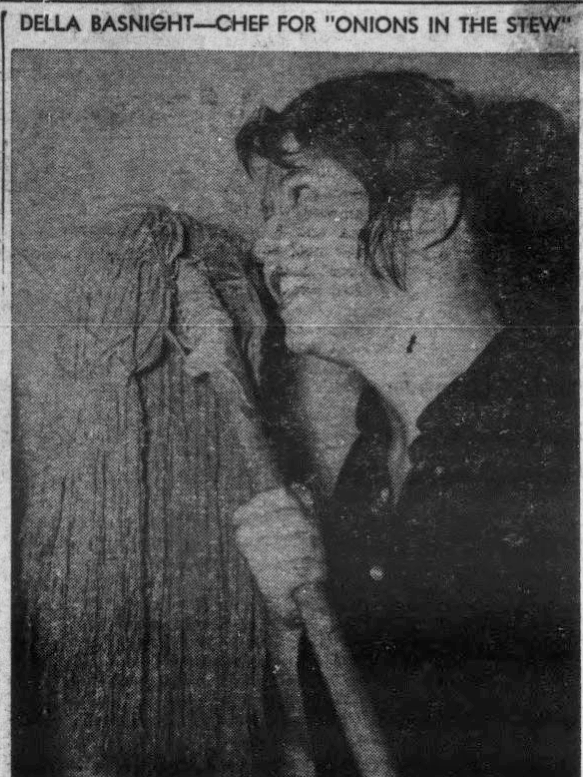
In April 1962, the Manteo High School Senior Class performed an adaption of Onions in the Stew to a packed house. The class was under the direction of Mrs. Ida Edwards and Miss Mabel Jean Basnight. Credit for the play’s success was given to Miss Della Basnight (pictured left) for her skill in acting as the mother of two.
This blog is maintained by the staff of the North Carolina Digital Heritage Center and features the latest news and highlights from the collections at DigitalNC, an online library of primary sources from organizations across North Carolina.